Aerpiemaahtoe invites visitors to reflect on how different knowledge systems shape our individual worldviews and whose lived experiences are recorded in history. The exhibition is presented by Accelerator and Gaaltije Saemien Museume in Staare [Östersund] in collaboration with Bildmuseet in Ubmeje [Umeå] and features works by the artists Sissel M Bergh, Julia Rensberg, Elme Ämting and Avant Joik. The artists work with installation, sculpture, video, sound and performance.
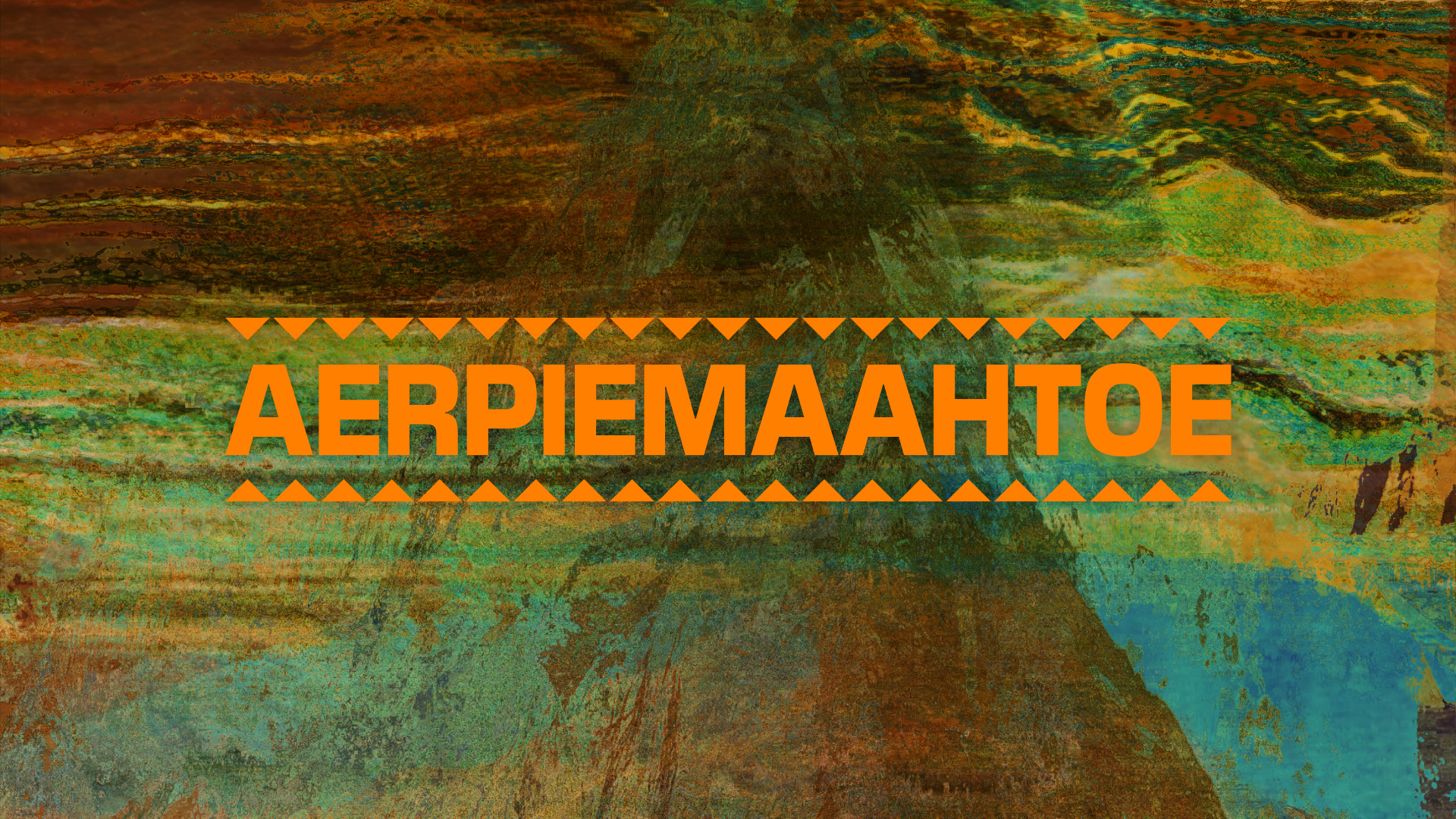 Aerpiemaahtoe is Southern Sàmi and can be translated as ‘traditional knowledge’ or ‘ancestral knowledge’.
About the exhibition
Aerpiemaahtoe is Southern Sàmi and can be translated as ‘traditional knowledge’ or ‘ancestral knowledge’. As a contemporary art institution situated at Stockholm University, a centre for academic knowledge production, Accelerator’s programme in 2026 focuses on different knowledge systems and how these are valued, managed, and prejudiced. The exhibition coincides with the presentation of findings from the Truth Commission for the Sámi People, the governmental mandate of which has been to map and “increase the general public understanding of Sámi history and how historical injustices affect the conditions for Sámi people today.”
The artists in the exhibition engage with Sámi knowledge traditions that historically have been marginalised and silenced. They explore how history writing has erased traces of Sámi life, address historical injustices, and ask whether, or how, reconciliation is possible within continued Nordic colonialism.
Aerpiemaahtoe is based on knowledge systems rooted in the relationship between humans, animals, and the land—a reciprocal way of understanding and engaging with the world. It is a living knowledge tradition that is constantly evolving and, with resilience, passed down through generations in language, storytelling, the work of the hand, and lived experiences.
The exhibition has been developed through the multi-year exhibition project Art & Truth-Telling, produced by Bildmuseet and Gaaltije Saemien Museume to acknowledge the work of the Truth Commission for the Sámi people on the Swedish side of Saepmie. Art & Truth-Telling has taken various forms across different collaborations and highlights truth-telling as a process, as well as art’s potential to articulate both personal and collective truths.
Participating artists
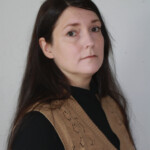
Sissel M Bergh
Sissel M Bergh is a Southern Sami artist, researcher, and filmmaker based in Tråante [Trondheim]. A recurring theme in her interdisciplinary practice is how social relations and official interpretations of history have been shaped by an interplay of myths, facts, and deliberate lies. Through her studies of the Southern Sami language, Bergh explores the cross-pollination of Southern Sami and Norwegian culture and exposes the political motives behind colonialist attempts to suppress Southern Sami influences in Norwegian and Swedish culture. Bergh treats language as an archive of history and land, and linguistic tradition serves as a tool for uncovering layers of the past and reconnecting with the land.
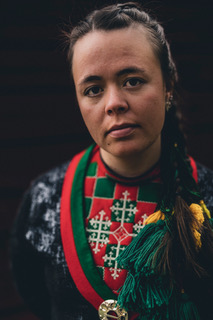
Julia Rensberg
Julia Rensberg is a Southern Sami artist with roots in Ruvhten Sijte, based outside Jåhkåmåhkke [Jokkmokk]. In her practice, she explores issues related to Sami cultural heritage, sustainability, and identity through duodji, installation, photography, and textiles. Her work is grounded in the understanding that humans do not stand outside nature but are part of it. Through traditional working methods, materials, utilitarian objects, and building structures, she explores the interplay between humans, nature, and the land as a reciprocal, living relationship shaped by shared memories, experiences, and responsibilities. Care for these connections characterises Rensberg’s processes, from the choice of materials to the work of her own hands, and is also marked by minimal environmental impact. She is deeply committed to issues concerning indigenous rights and climate justice.
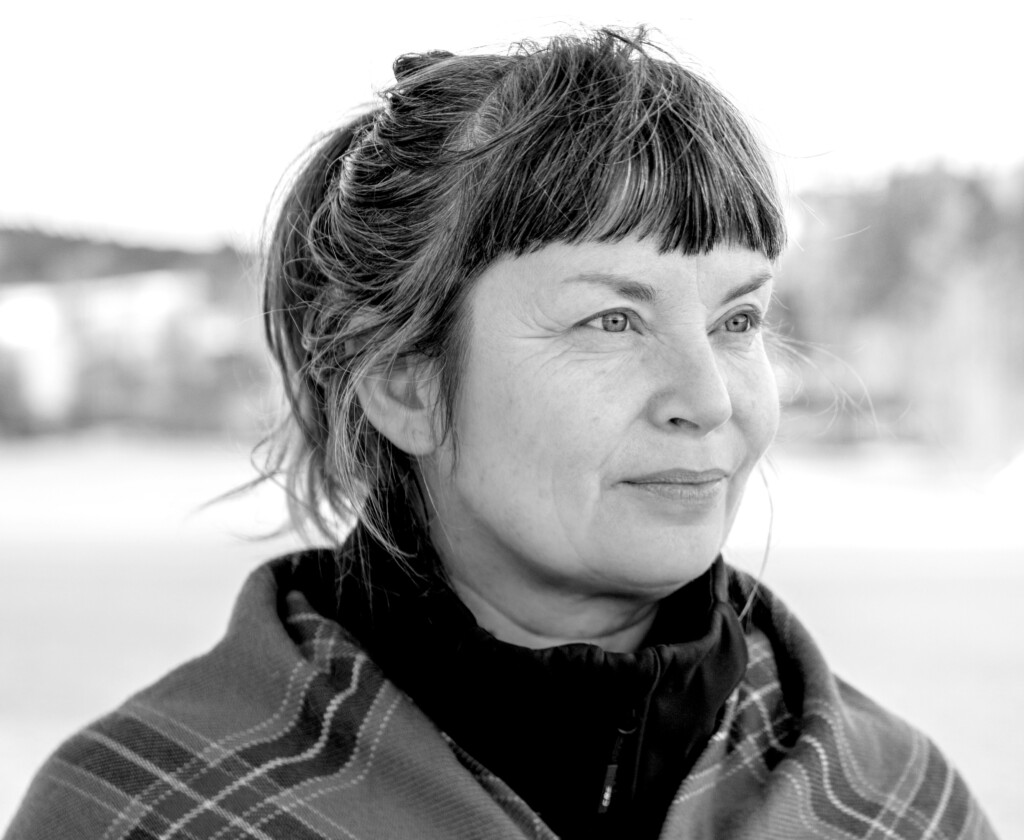
Elme Ämting
Elme Ämting was born in Ubmeje [Umeå], is based in Kramfors, and has roots in the area around Sjeltie [Åsele]. She works with sculpture and installation, often using craft techniques as a foundation. Personal experiences of cultural loss and mental illness recur as themes. She enjoys working with archival material and is drawn to stories of historical oppression and resistance. By incorporating archival fragments into installations informed by orally transmitted craft knowledge, two systems of knowledge intersect. The narrative takes on a visual form that helps us remember.
Avant Joik
Avant Joik is a collaborative project by Matti Aikio, Katarina Barruk, and Maja Solveig Kjelstrup Ratkje. Katarina Barruk, who grew up in Lusspie [Storuman] and Gajhrege [Gardfjäll] and is now based in Oslo, blends vuöllie with contemporary pop. Through her music, she breathes new life into the critically endangered Ume Sámi language. Composer Maja Solveig Kjelstrup Ratkje from Tråante [Trondheim] approaches the voice as an instrument. Her work ranges from avant-garde vocal techniques to compositions for orchestra, opera, and political sound art. Matti Aikio, an artist and activist from Finnish Saepmie, works with installation and video. His art centres on Indigenous peoples’ relationship with nature, land rights, and the ecological consequences of colonialism.
Credits
Curators: Anneli Bäckman and Therese Kellner
Collaborating institution: Bildmuseet
Thank you to Johan Sandberg McGuinne for translating the exhibition text into Southern Sami.